Stories of Desire in the Neon Tokyo

Arindam Paul writes intimate, atmospheric fiction where restless hearts wander Tokyo’s midnight streets, chasing love, memory, and redemption.

A sleek black hardcover novel lies open on a low, dark-wood table in a minimalist Tokyo apartment, its cream pages filled with dense typeset text and a subtle bookmark ribbon peeking out. Through the floor-to-ceiling window beyond, the Tokyo metropolis glows in soft focus: neon kanji signs, distant high-rises, and a blurred train line weaving through. Cool, diffused evening light from the city mixes with a gentle warm desk lamp, creating a calm, reflective atmosphere. Photographic realism with a shallow depth of field keeps the book in razor-sharp focus at eye level, while the luminous city bokeh suggests desire, mystery, and possibility in a clean, modern composition.
A solitary writing desk faces a wide window overlooking a dense Tokyo skyline at blue hour, skyscraper windows burning with golden light and red aviation beacons dotting the hazy sky. On the desk, an open laptop displays a manuscript page beside a weathered leather-bound notebook and a fountain pen with an obsidian barrel. A half-finished cup of dark tea rests on a slate coaster. The scene is lit mainly by the city’s ambient glow and a single slim desk lamp, casting long, contemplative shadows. Shot from a slightly elevated angle in photographic realism, the composition is balanced and professional, evoking disciplined creativity and the quiet pulse of urban desire.

About

Blending Bengali roots with life in Tokyo, Arindam Paul crafts layered narratives of migration, longing, and desire, inviting readers into alleyway bars, commuter trains, and quiet apartments where ordinary moments turn quietly luminous.

Journal

Notes on drafting, city wandering, and translating desire.
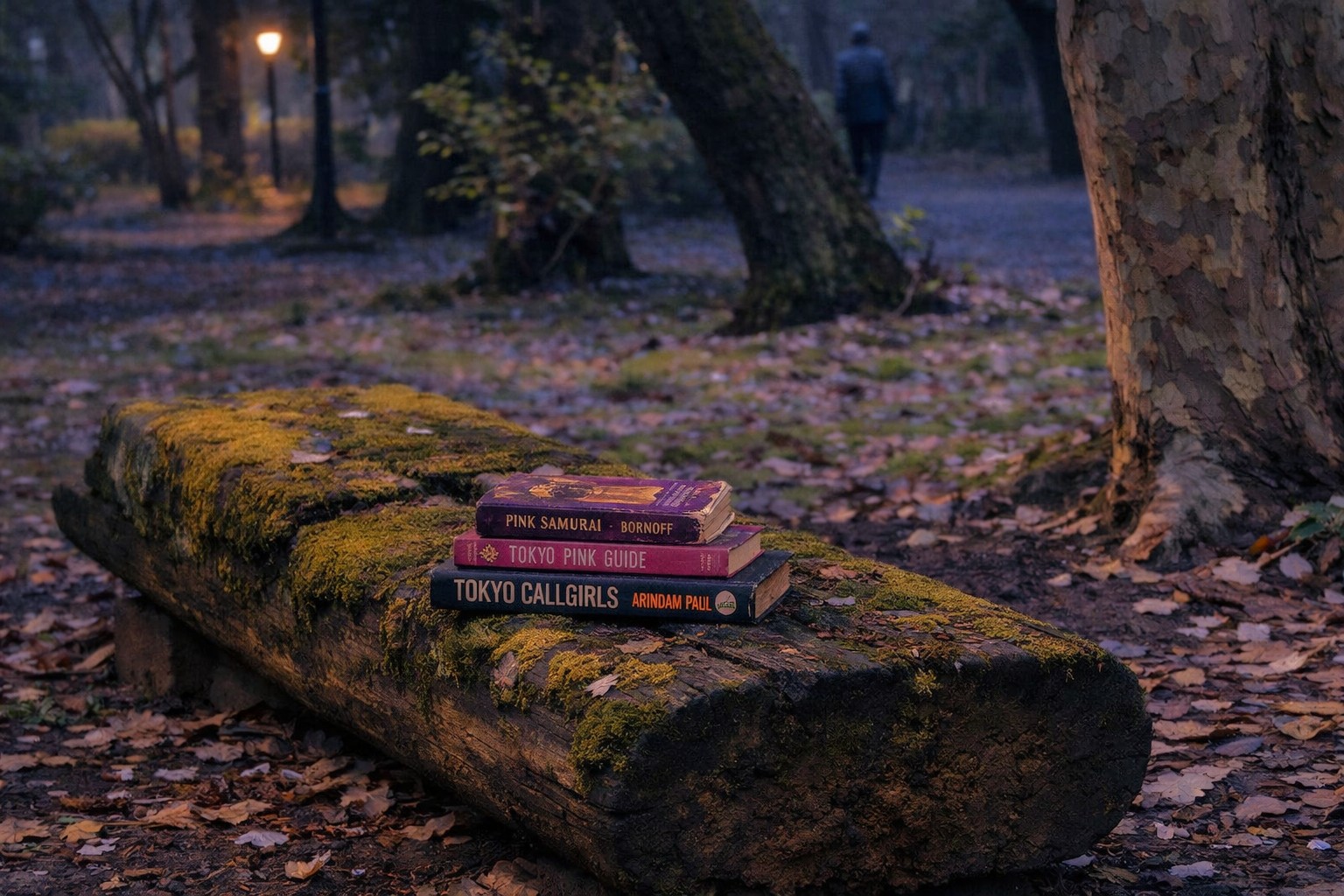
A rain-slicked Tokyo alleyway stretches into the distance at night, framed by tall, shadowy buildings whose neon signs reflect in shimmering puddles on the asphalt. In the foreground, a neatly stacked pile of translated book manuscripts, each bound with black clips and labeled with crisp Japanese and English titles, rests on a metal utility box. Pale magenta and cyan neon light spills across the paper edges, creating subtle gradients. Fine raindrops hang midair in the glow of a distant vending machine. Captured in photographic realism from a low angle using the rule of thirds, the mood is cinematic, moody, and charged with unspoken desire amid the metropolis’ quiet backstreets.
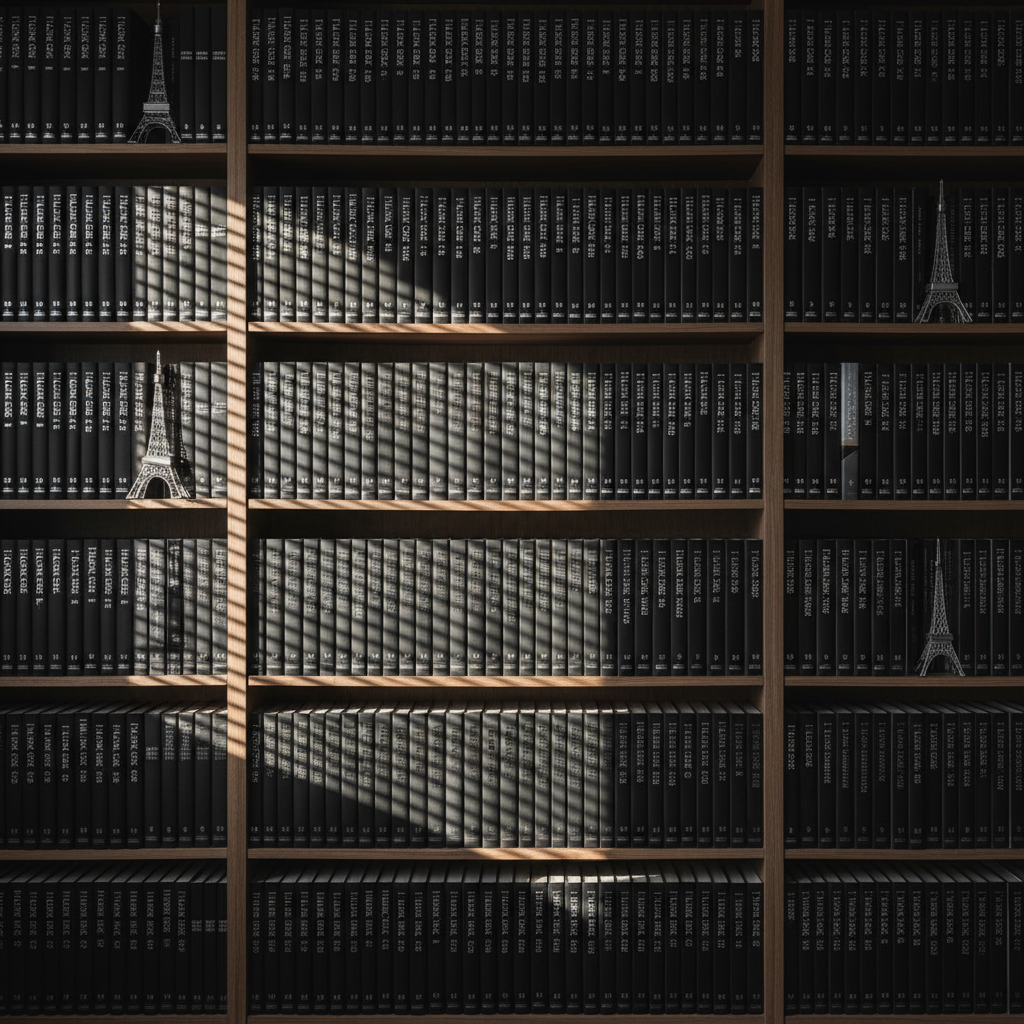
A meticulously organized bookshelf dominates a studio wall, filled with matching black-spined novels featuring minimalist silver titles, all by the same author. Between the rows, small architectural models of iconic Tokyo landmarks—Tokyo Tower, Skytree, Shibuya Crossing rendered in brushed metal and frosted glass—are interspersed like sculptural bookmarks. Afternoon light filters through venetian blinds, creating precise bands of light and shadow across the spines, highlighting subtle textures and embossing. The photographic composition is shot straight-on at eye level with sharp focus throughout, giving a professional, curated atmosphere. The mood is refined and intellectual, suggesting a body of work obsessed with the geometry, rhythm, and hidden desires of the Tokyo metropolis.
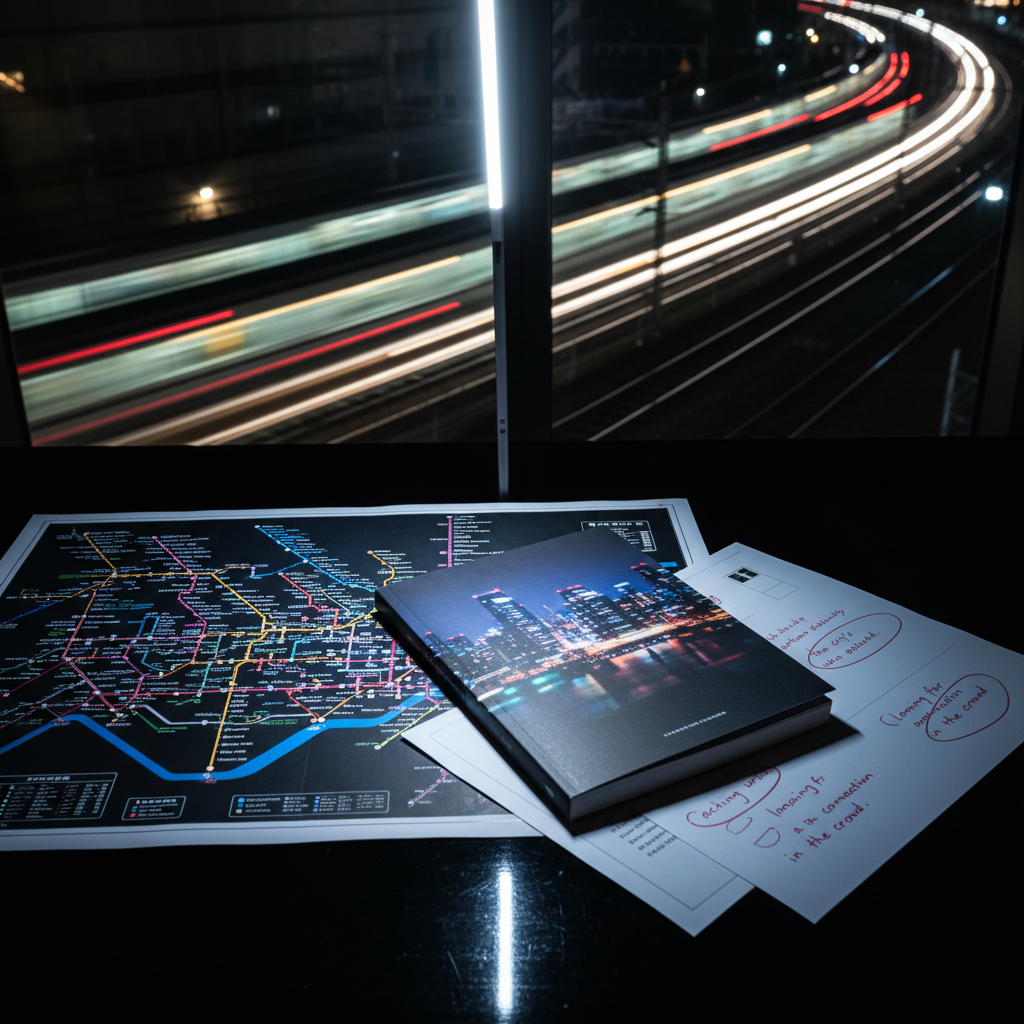
A midnight Tokyo metro map stretches across a glossy black table, its colored lines and station names glowing under a narrow beam of cool white overhead light. On top of the map lies a single, freshly printed book proof with a matte cover depicting an abstract, blurred city of lights. Beside it sit annotated page layouts, red pencil markings circling sentences about longing and urban isolation. In the background, through a large window, out-of-focus train tracks and moving headlights weave like luminous threads. Captured in photographic realism from a slightly oblique angle, with selective focus on the book proof, the scene feels analytical, professional, and quietly charged with narrative desire.

Reviews

Aya Nakamura

“Paul captures Tokyo’s loneliness with such tenderness that I kept rereading passages, recognizing my own secret aches in his characters.”

Mateo García

“These stories made the city feel newly strange and intimate; I missed my train stop twice because I couldn’t look away.”

Is this your new site? Log in to activate admin features and dismiss this message
Log In